Happy Thought for 23 January 2026
Have a Happy Thought:
Last week we all learned something about one time of “AI” –
Large Language Models.
This week may I introduce you to the other type of AI – one known
by farmers around the world: Artificial Insemination.
Side note: A few years ago I was hitch-hiking between
some small towns on the South Island and was given rides by two separate women…
who happened to be the two AI specialists for that region of the country.
Apparently AI folk are good people! And because I am such a city girl, those
car rides are how I learned about farming AI at the age of 42.
Artificial Insemination in animals can be done for many
reasons – the farmers on the South Island often use it for their cows to help prevent
injuries to the cows when the bulls are… over-enthusiastic.
Meanwhile, biologists are using AI to help an adorable
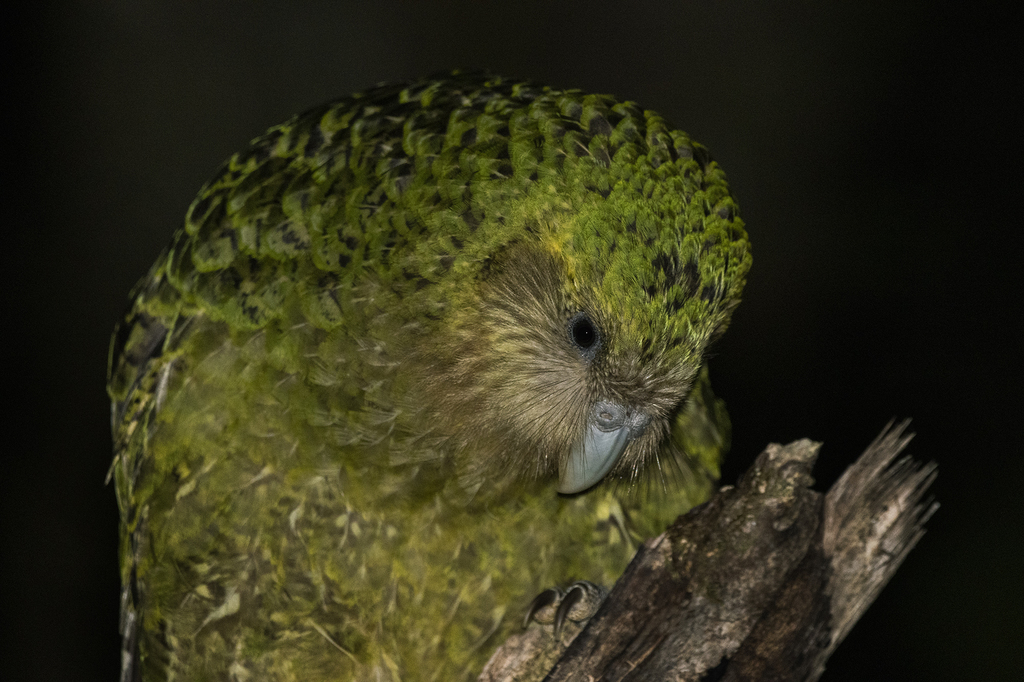
endangered species – the kākāpō.

Image: kākāpō (Strigops habroptila) © Oscar Thomas, (CC
BY-NC-ND)
You see, for the last few breeding seasons (kākāpō only breed
when there is plenty of fruit, so every 3-5 years), biologists working to
conserve these night parrots were working on making sure there is enough genetic
diversity. Since the total population was down to 51 at one point, they want as
many diverse matings as possible.
Enter AI. This helps make sure that birds that are too
closely related don’t mate, and birds with few (or no) offspring yet have a chance
for their genes to make it into the next generation.

Image: Department of Conservation. Operations Manager for Kākāpō Recovery, Deidre Vercoe with a kākāpō.
Then, just to be a little bit extra, in 2019 the scientists
worked out that the sperm needed to get to the females pretty quickly, and kākāpō
don’t generally hang out together. So the “target” female could be quite some
ways away – on the other side of an entire rugged island for example.
And this is when kākāpō, who gave up their ability to fly thousands
of years ago, began to have air-delivery
Artificial Insemination. Yep, the birds can’t fly, but their sperm can!
The drone-deliveries, along with so much more effort by the
Department of Conservation and volunteers, has helped increase the number of kākāpō
to 236 (with some
eggs already laid this season!)
If you want to learn more about kākāpō, this
article has a really good summary of their odd mating behaviour, odd looks,
near-extinction, and recent comeback.
Or, if you want to get not-at-all-creepily interested in this
year’s mating season, you can listen to The Kākāpō Files
podcast (yes, I do listen to this, why do you ask?)

Image: Department of Conservation. Ranger Sarah adds the first eggs to the Whenua Hou hut's 'fridge door' chart | DOC
This week for #ShareGoodNewsToo:
New Zealand’s amazing Mobile Operating Theatre-on-a-truck has
been operating for 23 years and has treated 3500 rural patients that may
otherwise have had difficulty getting to an often life-changing surgery.

Image: the plan of The Mobile Surgical Unit – Te Waka Hauora

Image: the exterior of the Mobile Surgical Unit – Te Waka Hauora


Comments
Post a Comment
Thank you, we love reading your comments!